
Summary:
Nearly every practice in New York City advertises minimally invasive treatment, and the phrase has been stretched until it means very little on its own. It is not a procedure. It is a description of how a procedure is delivered.
That matters, because the question you actually care about is whether the thing being recommended is likely to relieve your pain, how long that relief lasts, and what could go wrong. Small incisions are a real advantage, and by themselves they are not evidence of effectiveness.
Here is how to tell these options apart, what the evidence supports for each, and which questions separate a well matched recommendation from a poorly matched one.
What Minimally Invasive Actually Covers in Pain Management
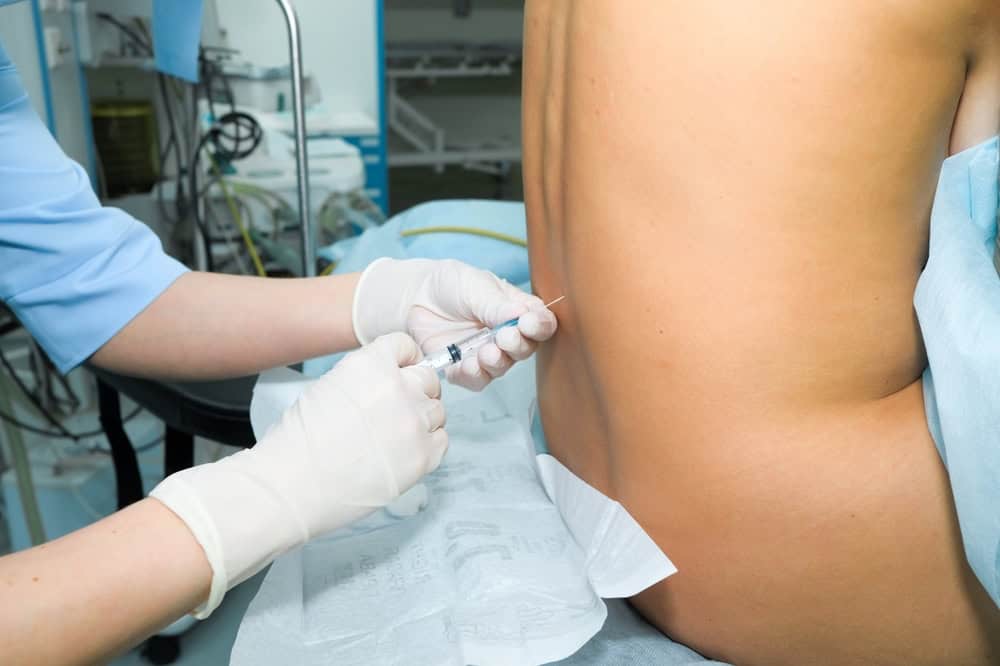
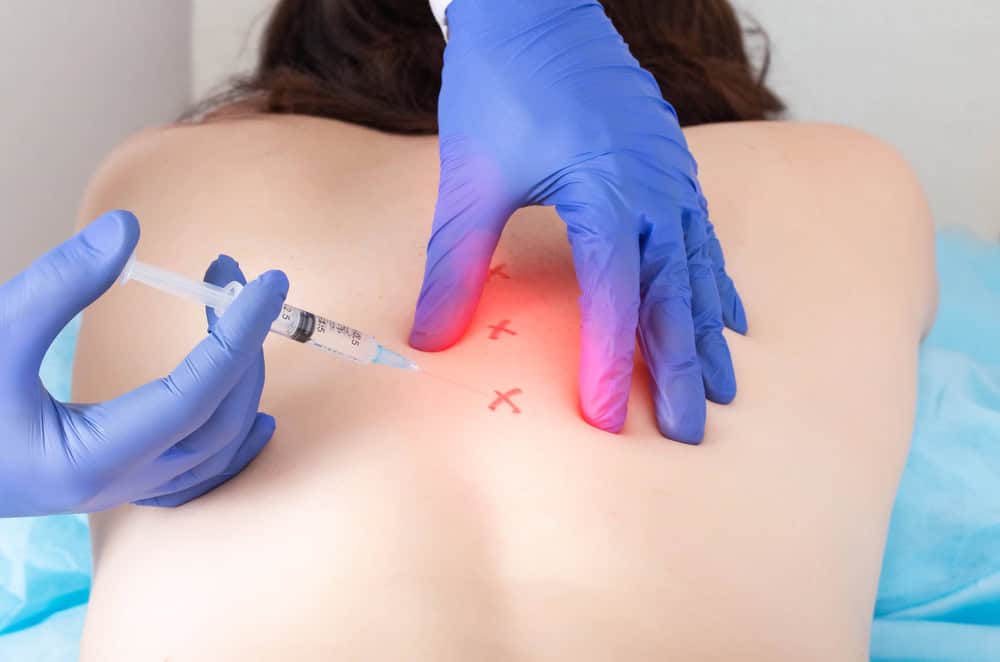
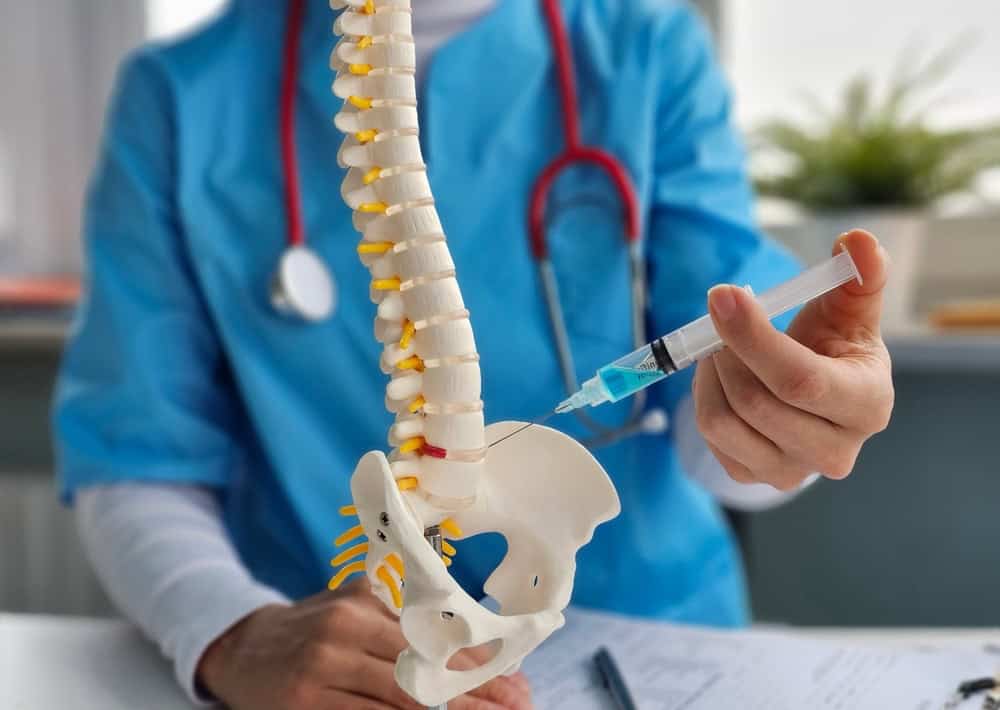
Two broad categories share the label. The first is percutaneous interventional procedures, performed through a needle or a small cannula, guided by live X ray, with local anesthetic and often light sedation. Epidural steroid injections, nerve blocks, radiofrequency ablation, kyphoplasty for a vertebral compression fracture, and spinal cord stimulator placement all belong here. Most take well under an hour and you go home the same day.
The second is minimally invasive surgery proper. A surgeon makes a small incision, uses a tubular retractor to spread muscle rather than cut through it, and works with an endoscope or an operating microscope. Microdiscectomy and minimally invasive decompression are common examples. These are still operations, performed in an operating room, usually under general anesthesia, with a real recovery period attached.
Both are less disruptive than traditional open surgery. They are not interchangeable, and a practice that blurs the two is worth pressing for specifics.

How Do Percutaneous Procedures Differ From Minimally Invasive Surgery?
The most useful distinction is what each one is trying to accomplish. Percutaneous procedures mostly modify a pain signal or calm an inflamed structure. Minimally invasive surgery removes or decompresses something physical that is pressing where it should not be.
That difference drives everything else. An epidural steroid injection reduces inflammation around an irritated nerve root, and the effect is real but time limited, commonly measured in weeks to months. A microdiscectomy takes away the fragment of disc pressing on that nerve, and if the fragment was the problem, the relief tends to be more durable.
Anesthesia and setting differ accordingly. Interventional procedures are usually done awake or lightly sedated in a procedure suite, and you are observed briefly and sent home. Minimally invasive surgery involves an operating room, general anesthesia, and a preoperative workup.
Risk profiles differ as well. Percutaneous procedures carry lower overall risk, mainly bleeding, infection, a temporary increase in pain, and uncommon complications related to the needle path. Surgery adds anesthesia risk, a small risk of nerve injury, a spinal fluid leak, and the possibility of reherniation or further surgery later on.
Who performs them differs too. Interventional procedures are performed by pain management physicians, often with anesthesiology or physical medicine training. Minimally invasive spine surgery is performed by orthopedic spine surgeons and neurosurgeons. Knowing which specialty you are sitting with helps you interpret the recommendation you are being given.
What the Evidence Supports for the Most Common Options
Here is a fair summary, with the caveat that individual results vary more than any general statement can capture.
Epidural steroid injections have solid support for radicular pain, meaning pain traveling down an arm or a leg from an irritated nerve root. They provide meaningful short to medium term relief for many patients. Evidence that they change the long term course, or reliably prevent surgery, is much weaker, and they perform less impressively for isolated back pain with no nerve component.
Radiofrequency ablation has good support for facet joint pain, but only when the diagnosis has been confirmed first with diagnostic medial branch blocks. That step is what separates the patients who do well from the ones who do not, and skipping it is the most common reason for a disappointing outcome.
Kyphoplasty for painful vertebral compression fractures has been debated in the literature and remains widely used, with the best results in carefully selected patients who have a recent fracture and severe pain that has not settled with conservative care.
Spinal cord stimulation has reasonable support for persistent nerve pain after spine surgery and for certain neuropathic conditions, and it includes a trial period before anything permanent is implanted, which is a genuine advantage. Microdiscectomy has strong evidence for leg pain caused by a herniated disc with matching exam findings, and it is considerably less predictable for back pain itself.
The pattern across all of these is consistent. Effectiveness depends far more on patient selection than on the technique, and a procedure with excellent published results performs poorly in the wrong patient.
Want live answers?
Connect with a NY Spine Medicine expert for fast, friendly support.
Who Tends to Do Well With Minimally Invasive Treatment in NYC
Selection is the whole ballgame, and the profile of a good candidate is not mysterious. Your symptoms match a specific structure, the physical exam supports it, and imaging shows a finding in the same place your pain is coming from. Agreement between those three is the strongest predictor of a good result.
Patients tend to do less well when the picture is diffuse, when pain covers several regions with no clear pattern, when imaging findings look incidental, or when an identical procedure has already been tried and did nothing. Smoking, uncontrolled diabetes, and untreated depression or severe sleep disruption also reduce success rates for spine procedures, and a thorough New York City practice will raise those rather than skip past them.

Recovery Timelines and What Effectiveness Really Means Here
Recovery from percutaneous procedures is usually short. Most patients go home within an hour or two, take it easy for a day, and resume normal activity quickly. Steroid injections often take several days to a couple of weeks to reach full effect, so the day after tells you very little. Radiofrequency ablation frequently causes a few days to a couple of weeks of soreness before the relief settles in.
Minimally invasive surgery runs on a different timeline. Many patients go home the same day or the next, and leg pain from nerve compression often improves quickly. But tissue still has to heal, and there are restrictions on bending, lifting, and twisting for weeks. Returning to a desk job is usually faster than returning to physical work, sometimes by a wide margin.
Effectiveness is the word that needs the most care. It can mean pain reduction, improved function, avoiding a larger operation, or getting back to work, and those do not always move together. A procedure that cuts your pain in half and still leaves you unable to sit through a workday has not solved your problem.
Duration is the other half of the question. Injections are typically measured in months. Ablation often lasts several months to a year or more before the nerves regenerate. Surgical decompression can be durable, though it does not stop the underlying condition from progressing elsewhere in the spine.
Ask specifically what result is expected, how much of it, and for how long. A clinician who answers in those terms is giving you something you can evaluate. A clinician who promises a procedure will fix everything is not.
Risks, Limits, and the Questions Worth Asking Before You Consent
Minimally invasive does not mean risk free, and any conversation that implies otherwise is incomplete.
For percutaneous procedures, risks include bleeding, infection, a temporary flare of pain, and reactions to steroids such as a few days of elevated blood sugar, flushing, or trouble sleeping. Rarer complications relate to the needle path and the structures near it. Blood thinners have to be managed in advance, which is one reason your full medication list matters more than it seems.
For minimally invasive surgery, add general anesthesia, a small risk of nerve injury, a spinal fluid leak, infection, and the possibility of recurrence or further surgery. Smaller incisions reduce muscle damage and shorten recovery. They do not eliminate the risks that come with operating close to a spinal nerve.
The limits are just as important. None of these procedures reverses degenerative change. Ablation does not repair the arthritic joint. An epidural injection does not shrink a disc. A decompression relieves pressure without restoring the disc height you had at thirty.
Questions worth writing down before you go in. What exactly is being treated, and how was that confirmed. What share of your patients with my presentation get meaningful relief. How long does that relief usually last. What happens if it does not work. What are the alternatives, including doing nothing for now. Who performs it, and how often.
And the safety net question. Which symptoms should make me call you instead of waiting for the follow up. Progressive weakness, loss of bowel or bladder control, fever, or severe new pain after a procedure all warrant prompt contact rather than a wait and see approach.
Deciding Whether a Minimally Invasive Option Fits Your Case
The takeaway is that minimally invasive describes the delivery, not the value. The right question is never whether a procedure is minimally invasive. It is whether this specific procedure, aimed at this specific structure, in a patient with your specific findings, has a reasonable chance of producing the result you want and holding it long enough to matter.
The reframe that helps most is to think in steps rather than in solutions. Diagnostic confirmation first, then the least invasive option that plausibly addresses the confirmed source, then rehabilitation to protect the result, and an escalation plan everyone agrees on in advance.
At NY Spine Medicine, our Manhattan and Brooklyn offices perform image guided interventional procedures including epidural injections, nerve blocks, radiofrequency ablation, kyphoplasty, and spinal cord stimulation, with diagnostic testing and in house physical therapy in the same practice. When a surgical opinion is the right next step, we say so plainly.
To talk through whether a minimally invasive option makes sense for your case, call us at 212-750-1155.